
The pressure to pretend everything is perfect
In the presence of others, there can be an unspoken pressure that whenever anything wedding-related comes up, it must be accompanied by a smile, a positive reaction, or some variation of the word “excited.” You’re expected to light up when someone asks about the venue, appear glowing when they mention the dress, and eagerly answer questions about the big day.
But what if, underneath the curated facial expressions and carefully articulated response smile, you’re actually feeling something completely different? Maybe you’re overwhelmed. Maybe you’re anxious. Maybe you have doubts you don’t know how to explain. Maybe you’re all of the above depending on the hour of the day.
Or maybe you’re just… (heaven forbid) … feeling a bit neutral about the whole thing and somehow that feels wrong too? Whatever you’re feeling, most brides agree that if it’s not mirroring the excitement that everyone seems to expect from you, admitting that you’re feeling differently — let alone struggling — can feel almost like admitting a shameful secret.
This is more normal than you might think.

Planning a wedding isn’t the same as planning any other event in your life. Depending on your family and culture, planning a wedding can represent a rite of passage, a highly anticipated life milestone, and come with a long list of family expectations you never knew were important, and weren’t expecting. Unlike other event planning, a wedding is also accompanied by the major life transition of marriage — and all the psychological prep work that comes with it. In addition to the never-ending list of decisions to make, dollars to budget, and people to please, you’ve also got serious conversations to explore, opinions to balance, and newly revealed expectations to manage. Even for the most enthusiastic planning personality, it’s easy to see how these dynamics can also feel emotionally draining, overwhelming, and exhausting.
But if it’s so natural for big feelings to arise during wedding planning, why do so many of us opt for manufacturing a facade to match someone else’s expectation?
What is Masking?
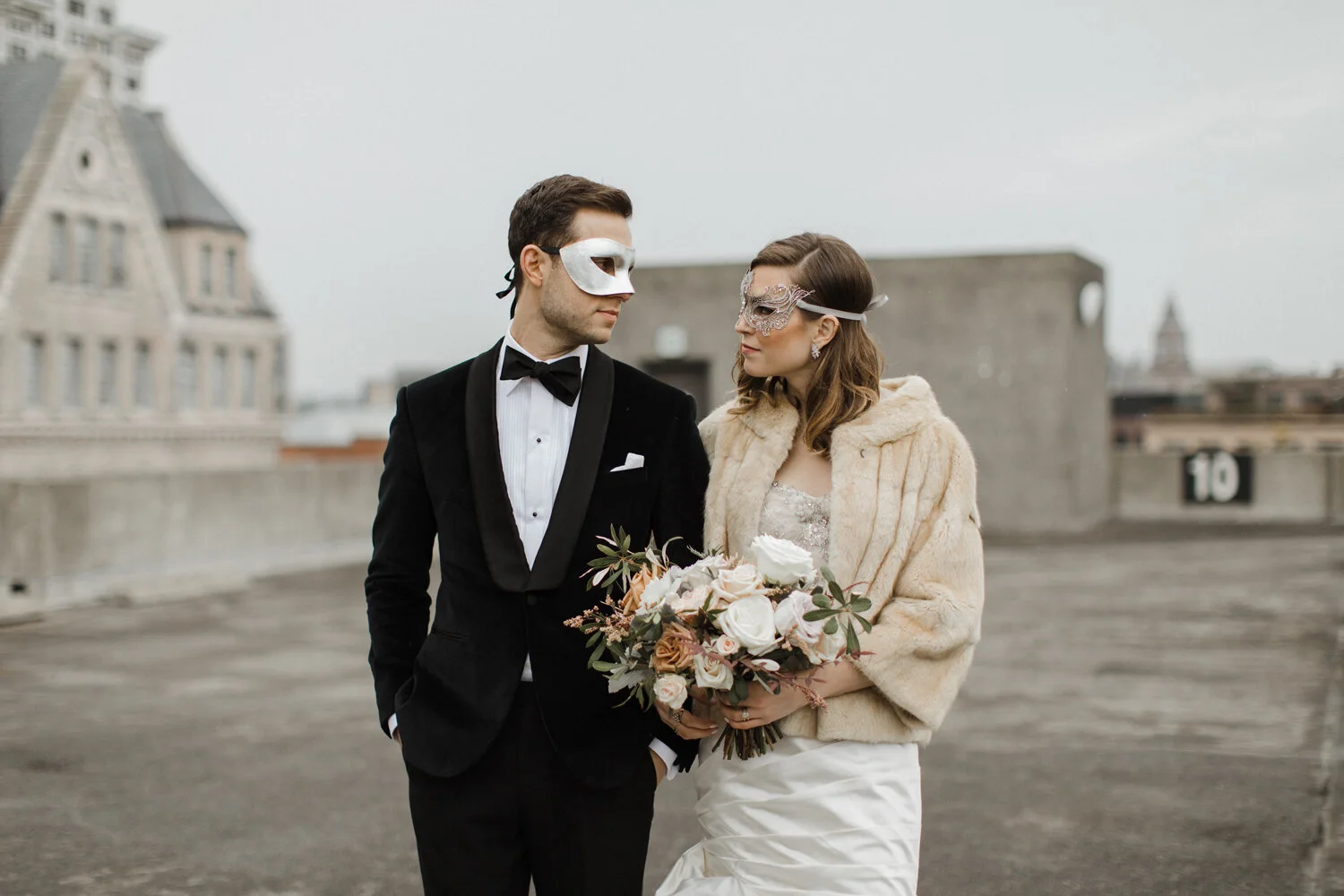
Masking is the act of hiding what you genuinely feel or experience and presenting a different emotion to the people around you. It is not necessarily a deliberate way of concealing your emotions. Instead, masking can often be a protective response. You may hide certain feelings because you are afraid of judgment, creating conflict, disappointing others, or disrupting the excitement surrounding the wedding.
Why would I mask my true emotions?
The truth is, there are many reasons we resort to masking in this situation. Sometimes, it’s a combination of reasons, and it’s not always obvious. Noticing when you’re masking is a great first step. Once you begin to identify the behavior, pay attention to which situations (specifically people, places, or things) might trigger your masking. Bring awareness to what happens before, during, and after. How do you feel in those moments? Do you notice yourself changing your behavior, holding back, or trying to meet certain expectations?
Remember, this process is a reflective tool to help you explore questions like, “Why am I doing this?” and “What is bringing up these emotions for me?” The goal isn’t to judge yourself; instead, it’s to better understand what you are experiencing internally. While initially, we might struggle to point to what’s bringing up emotions, we can later name experiences such as expectation fatigue, an overload of inspirational wedding ideas, and/or a combination of various pressures.
1. Expectation Fatigue
During this chapter of your life, you have already made numerous choices. You have thought through options, changed your mind, compromised, and tried to make choices that satisfy not only you, but also your partner, both sides of the family, and your guests. Stress, disagreements, uncertainty, or even unhappiness can feel out of place in a time that is “supposed” to be filled with excitement. Instead of sharing those feelings, you may find yourself minimizing them, pushing them aside, or simply putting on a smile when someone asks how everything is going.
There are expectations coming from every direction, and sometimes it can become difficult to separate what you genuinely want from what you think you are supposed to want.
So when someone asks, “Are you excited?” The expected answer seems obvious.
“Yes!”
With a smile.
Even when the reality might be more complicated.
2. Pressure to Be Excited
Wedding-related pressures don’t necessarily come from just one person. They might even feel like they come from every direction at once. There are decisions about the guest list, the dress, the food, the music, the traditions you want to incorporate, and so much more. With every decision comes another opinion, another option, or another responsibility to uphold.
Sometimes, it isn’t someone directly telling you what to do. However, it can be the feeling that you should want something because everyone else seems to expect it, or because they talk about it as if it’s an obligation. You may start to feel like you should want the large guest list, the elaborate venue, the traditional ceremony, or whatever else is being presented as a must-have.
You can be in love with your partner and still be exhausted by the everyday reminders of what’s next on the to-do list. You can be excited about the marriage chapter and dread another conversation about who sits at what table. You can feel grateful for those supporting you through this process and still feel frustrated by their opinions.
Wedding planning is a lot of work. Budgets to consider, decisions to make, schedules to coordinate, and what seems like endless communication with family, friends, vendors. And you’re doing all of this while continuing to work, maintain relationships, manage your everyday responsibilities, and prepare for another major life transition — marriage.
Without even realizing it, you can begin making decisions based less on what you actually want. You change your venue because your grandmother insists on a church ceremony or you choose a different bridesmaid dress because a friend doesn’t like the style you wanted. Over time, this can leave you feeling like you are compromising more than you are enjoying the process. It makes sense that you might feel a sense of overwhelm.
And yes, it’s okay to still look forward to the wedding day, while wanting the planning to be over. These feelings can exist at the same time.
3. Inspiration Overload
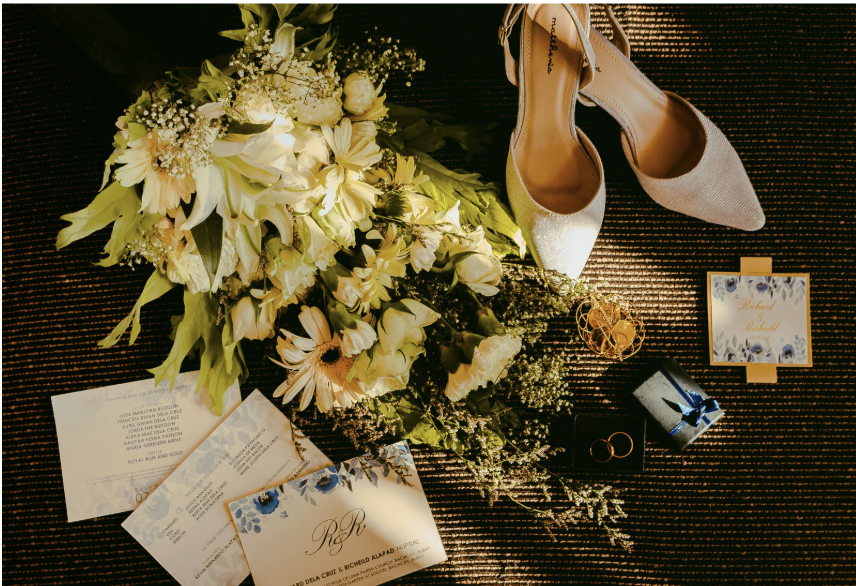
Now, with the pressure of social media and the image of this perfect wedding, difficulties and challenges don’t seem to fit into the narrative.
We are constantly exposed to carefully thought out images of beautiful venues, happy couples, romantic moments, and celebrations that appear effortless. It can create the expectation that our own wedding experience should look and feel the same… right?
When reality doesn’t match that image, it can be difficult to admit our stress or know how to bring awareness to it. The wedding process may still be beautiful from the outside, but that doesn’t necessarily mean everything feels perfect on the inside.
I’m realizing I’m wedding masking, now what?
Start out by knowing that this is often not an isolated experience; you’re not the only person who has ever felt this way. Feeling stressed during wedding planning is normal. But that doesn’t mean you have to ignore how you’re feeling or pretend everything is fine.
Instead, allow yourself the permission to be curious about those feelings.
Ask yourself:
- Am I overwhelmed by the process of planning?
- Am I struggling with the number of decisions I’m expected to make?
- Am I feeling pressure from family or other people?
- Am I having difficulty communicating with my partner?
- Am I feeling like I have to make everyone happy?
- Am I worried about the wedding itself, or am I worried about getting married?
You do not have to be happy every moment of your engagement to be happy about getting married. You also don’t have to force yourself to feel something that isn’t there. Instead, give yourself permission to acknowledge what you are actually feeling. If you’re overwhelmed, say that you’re overwhelmed. If you’re tired, state that you’re tired. If you need a break from wedding conversations, take one. If you’re struggling to communicate with your partner, make space for that conversation. And if you aren’t sure which it is, that’s also okay.

What else can I do to help myself?
Recognizing and acknowledging that the wedding experience is harder than you expected can be the start to an honest conversation. When you’re ready to work towards unmasking your happiness, here are some helpful tips and wins from our team at AisleTalk:
- Helpful reframes:
- “I can be excited to get married and overwhelmed by planning.”
- “Feeling stressed doesn’t mean I am making the wrong decision.”
- “I am allowed to have mixed emotions.”
- Go-to scripts for constant wedding questions
- “Thanks for checking in! We’re taking things one step at a time, how have you been?”
- “Thank you for asking! Things are coming along. What’s new with you?”
- “I appreciate you checking in! We’re figuring things out as we go and will let you know as soon as we know.”
- Explore ways to reconnect as a couple:
- Set aside time to talk about other parts of your life other than the wedding, including what’s going on outside of the wedding.
- Check in with each other about how you’re feeling, not just what’s left on the to-do list.
- Take a break from planning to do something you both enjoy, and remind each other why you’re getting married in the first place.
As you move through this season, remember that you don’t have to feel excited every moment to be happy about getting married. You’re allowed to have complicated feelings, to feel overwhelmed by the planning, and to admit when things aren’t feeling the way you expected them to. You don’t have to keep smiling through every conversation or convince everyone around you that everything is perfect.
Instead, give yourself permission to check in with what you’re actually experiencing, communicate what you need, and make space for the parts of this journey that may feel harder than you anticipated. After all, this season isn’t just about planning a wedding; it’s about preparing for a new chapter of your life. And you deserve to experience that chapter in a way that feels authentic to you, not just the way you think it’s supposed to look.
AisleTalk offers therapy and coaching for your relationship’s biggest moments — from breakups and new beginnings to wedding stress, premarital conversations, and the everyday work of balancing family, life, love, and loss. Even the most meaningful seasons can carry unexpected strain.
If you’d like more support in understanding the experience of masking unhappiness or how to get comfortable with experiencing tougher emotions during the planning season, we invite you to book a free intro call with our team to learn more about working together.
